

When Kuaishou unveiled Kling AI in June 2024, the AI video generation market already had established players. Since launch, Kling has shown rapid adoption in Kuaishou's official updates and strong performance on third-party benchmark boards.

Kuaishou's official updates report fast commercial progress, including annualized revenue milestones and enterprise API adoption. This analysis examines technical evolution, benchmark context, and deployment tradeoffs.
From Launch to Global Scale
Official Kuaishou announcements highlight rapid growth after launch, including strong creator uptake and enterprise demand. Public third-party reports provide additional estimates, but this post prioritizes figures that can be traced to primary sources.
Kuaishou has publicly reported milestones such as over 22 million users and ARR above $100 million around the first-year window, followed by continued product expansion through 2025 and 2026.
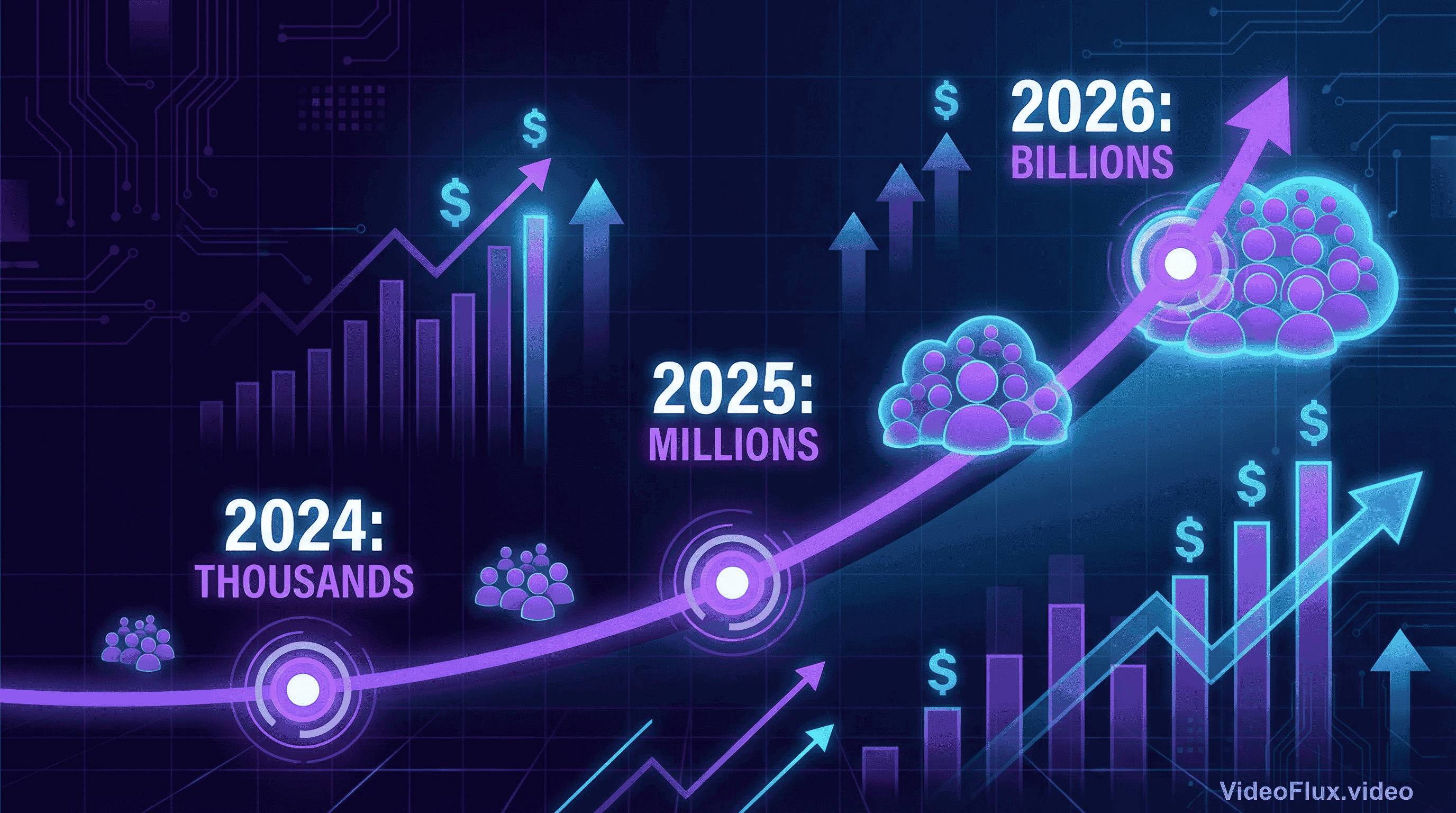 Figure 1: Kling growth trajectory illustration
Technical Architecture: Why Kling Performs Differently
Kling AI employs a diffusion-based transformer architecture (DiT) enhanced with Kuaishou's proprietary 3D variational autoencoder (VAE) network. This architectural choice differs from pure diffusion approaches or transformer-only designs.
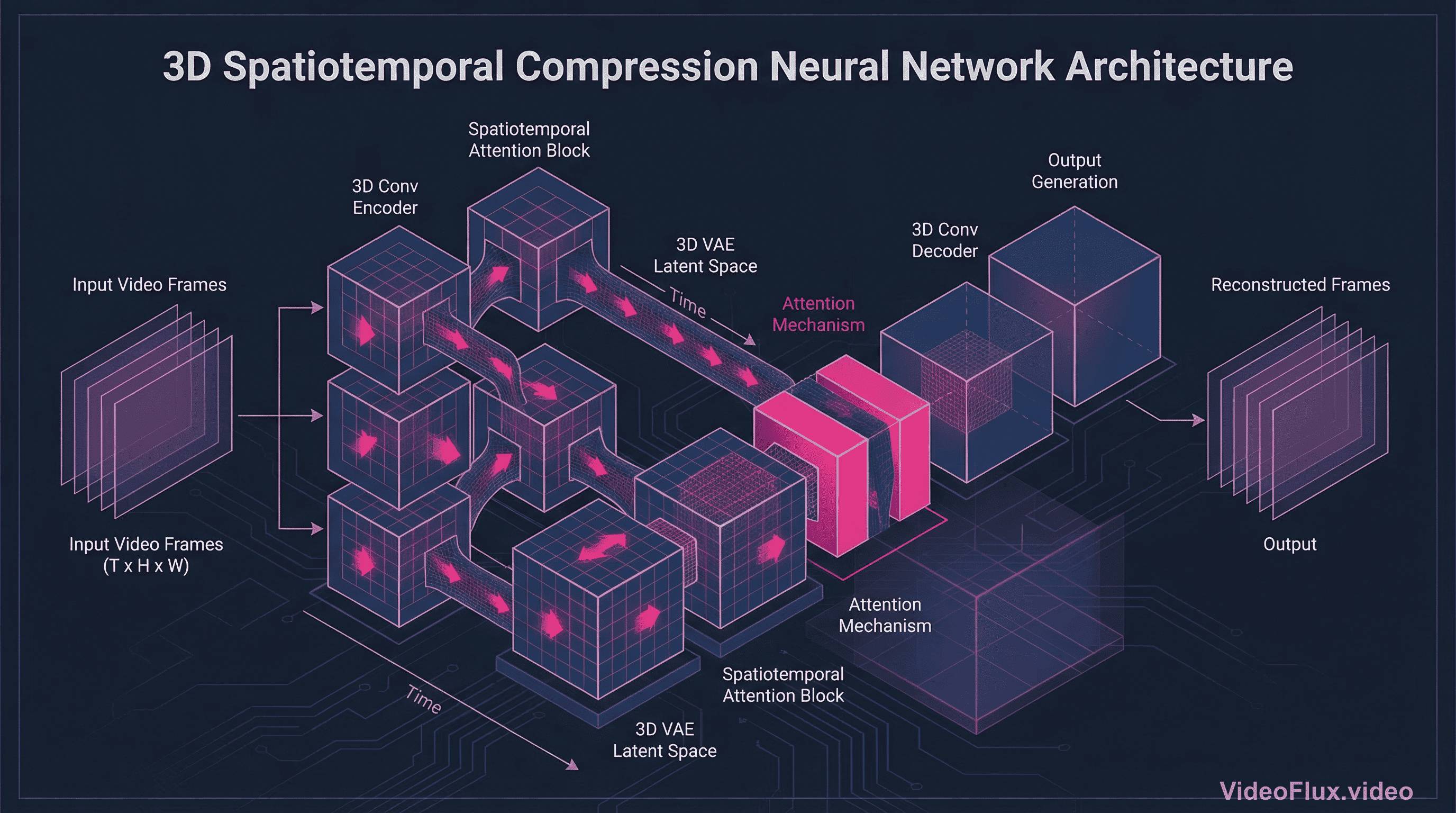 Figure 2: Kling's 3D spatiotemporal compression architecture
The 3D VAE network enables synchronous spatiotemporal compression - processing spatial and temporal dimensions simultaneously rather than sequentially. Traditional video generation models often process frames independently and then enforce temporal consistency. Kling's architecture learns spatiotemporal relationships during compression, producing more coherent motion patterns.
The computationally efficient full-attention mechanism serves as the spatiotemporal modeling module. Full attention across all frame positions would typically scale prohibitively with video length. Kuaishou's implementation maintains global attention while reducing computational requirements - enabling longer duration support without linear cost scaling.
For the Kling O1 model released December 2025, the architecture evolved to a Multimodal Visual Language (MVL) framework. This unified structure consolidates previously separate generation and editing tasks into a single engine, supporting reference-based generation, text-to-video, start/end frame control, video in-painting, style re-rendering, and shot extension within one model.
The Version Evolution: Strategic Feature Deployment
Kling's development roadmap reveals deliberate feature prioritization rather than simultaneous capability release. Understanding this progression clarifies the platform's competitive positioning at each stage.
Kling 1.0 & 1.5 (June-November 2024)
The initial versions established foundational capabilities: text-to-video and image-to-video generation at standard resolutions. Kling generated videos up to two minutes long at 30fps and 1080p resolution, supporting various aspect ratios. This duration capability exceeded most competitors at launch.
Kling 1.6 (December 2024)
Kling 1.6 introduced stronger endpoint control in image-to-video workflows, improving continuity control for multi-shot generation.
Kling 2.0 (April 2025)
Kling 2.0 focused on consistency and prompt understanding improvements in production workflows.
Kling 2.1 (May 2025)
Kling 2.1 added mode selection and stronger keyframing controls for narrative workflows.
Kling 2.5 Turbo (September 2025)
This version optimized for throughput, delivering 40% faster generation at resolutions up to 1080p/30-48fps. Performance benchmarks showed substantial quality advantages: in text-to-video, Kling 2.5 Turbo achieved win-loss ratios of 285%, 212%, and 160% compared to Seedance 1.0 mini, Veo3-fast, and Seedance 1.0 respectively. In image-to-video, the model secured win-loss ratios of 208%, 289%, and 164% against the same benchmarks.
Kling 2.6 (December 2025)
Version 2.6 introduced simultaneous audio-visual generation - a fundamental workflow transformation. Traditional video generation produces silent visuals requiring post-generation audio addition. Kling 2.6's architecture generates synchronized audio and video, enabling natural dialogue, ambient sounds, and audio-reactive visuals without manual dubbing.
Kling O1 (December 2025)
Released December 1, 2025, Kling O1 represents a paradigm shift toward unified multimodal video models. Rather than separate models for generation, editing, style transfer, and extension, O1 consolidates these capabilities into one engine. The model accepts text, video, image, and subject inputs, performing comprehensive video manipulation tasks from a single interface.
Performance comparisons show significant advantages: on image reference video generation, Kling O1 achieved a 247% win ratio compared to Google Veo 3.1 Fast. On instruction transformation, Kling O1 achieved a 230% win ratio versus Runway Aleph.
Kling 3.0 (February 2026)
Public third-party coverage describes Kling 3.0 as a major quality and speed step, but detailed specs can differ by provider surface and access tier. For production decisions, validate the exact feature set in the interface or API channel you are deploying.
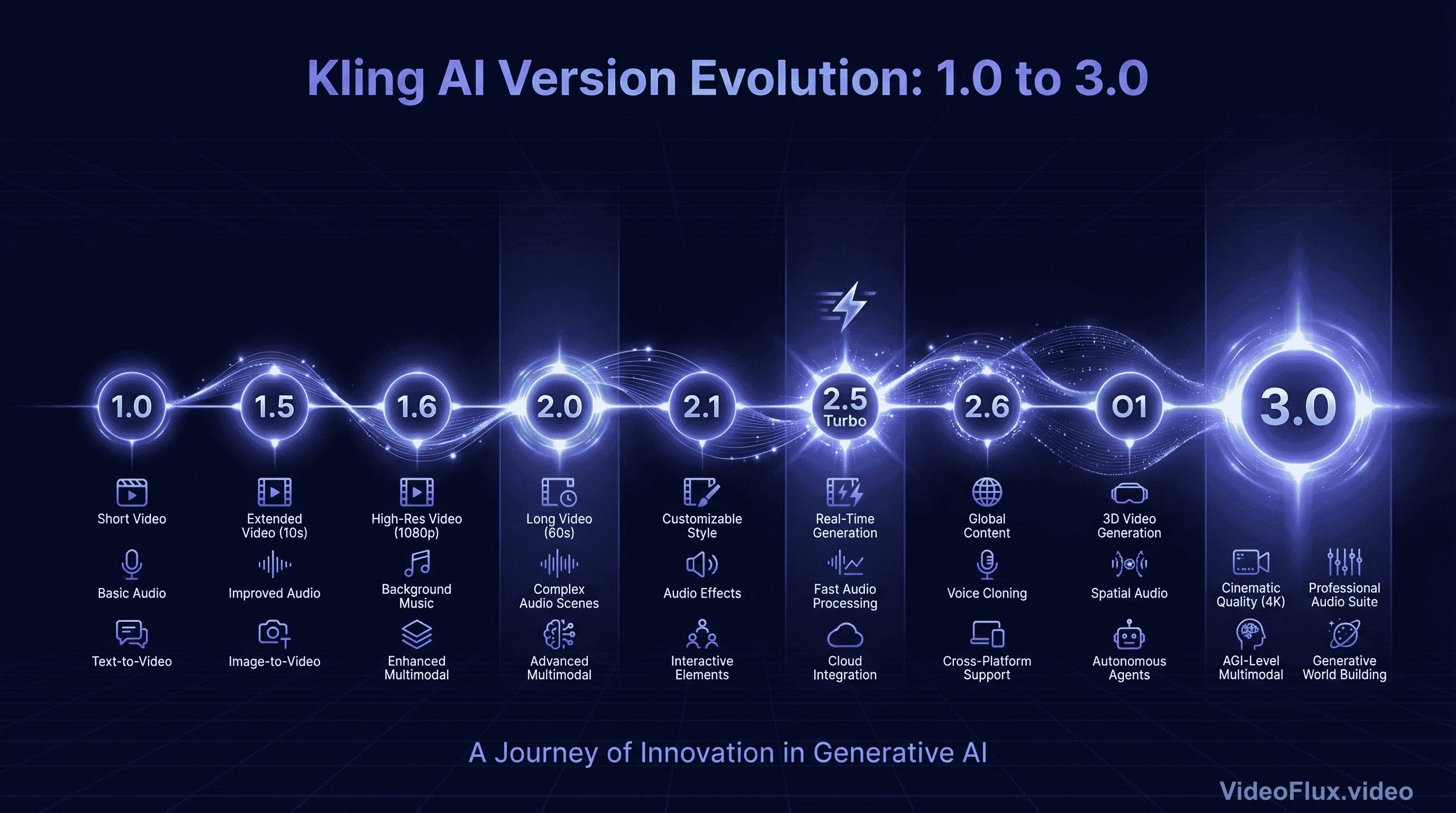 Figure 3: Kling version progression from 1.0 to 3.0
Leaderboard Performance: Quantifying Quality
Independent benchmarking provides objective quality assessment. The Artificial Analysis Video Arena uses an Elo rating system derived from blind user comparisons. Users evaluate two videos generated from identical prompts without knowing which model created each output. Higher Elo scores indicate more frequent preference.
Text-to-Video Rankings (Without Audio)
Kling models have appeared near the top of Artificial Analysis boards in multiple categories. Because Elo scores and rank positions update over time, treat exact placements as time-specific snapshots and verify on the live leaderboard before publishing static numbers.
Text-to-Video Rankings (With Audio)
Kling models are also competitive on with-audio tracks in recent board snapshots; confirm current values directly on the live board.
Image-to-Video Rankings
Kling also performs strongly in image-to-video categories on Artificial Analysis. Exact Elo values should be treated as date-stamped measurements.
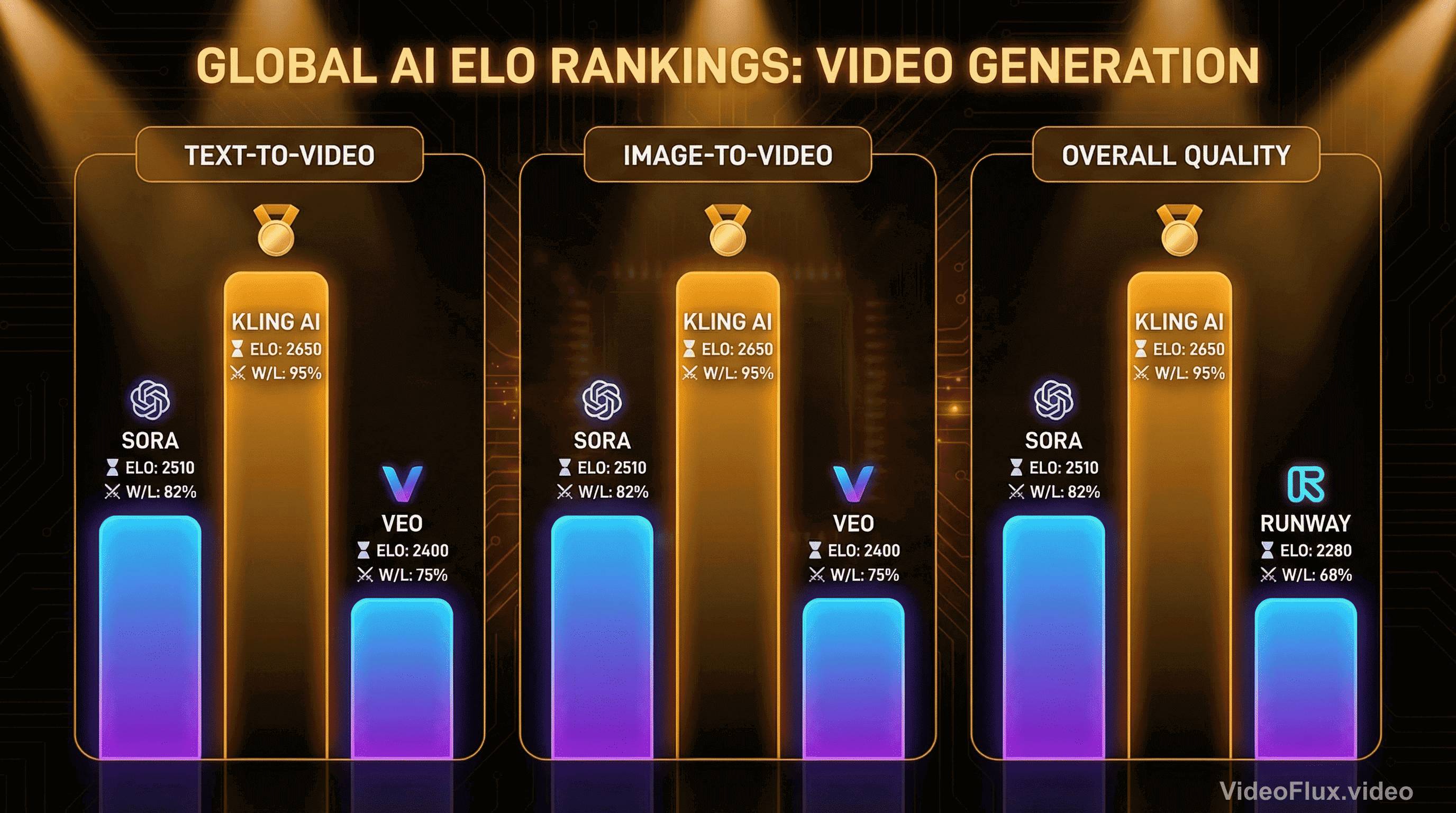 Figure 4: Kling's Artificial Analysis leaderboard positions
These rankings validate Kling's technical capabilities against major competitors including Sora, Veo, Runway, and other models in production deployment.
Comparative Analysis: Kling vs Sora vs Veo
A practical comparison should use fixed prompts, matched durations, and repeated runs. This avoids overfitting conclusions to one-off examples or provider-specific presets.
Visual Quality & Resolution
Use identical prompt sets and output settings to compare detail, motion consistency, and artifact rates.
Physics Simulation
For physics-heavy scenes, run focused tests (liquids, cloth, collisions, multi-object interaction) and score frame-by-frame consistency.
Duration & Consistency
Evaluate clip chaining quality and seam stability under identical narrative prompts.
Character & Dialogue
Measure lip-sync accuracy, dialogue timing, and body-language coherence on multilingual scripts.
Multi-Shot Capabilities
Compare how reliably each model follows shot plans and transition instructions under the same storyboard prompt.
Cost Efficiency
Use official pricing pages and real billing logs from your own runs; rates and packaging can change.
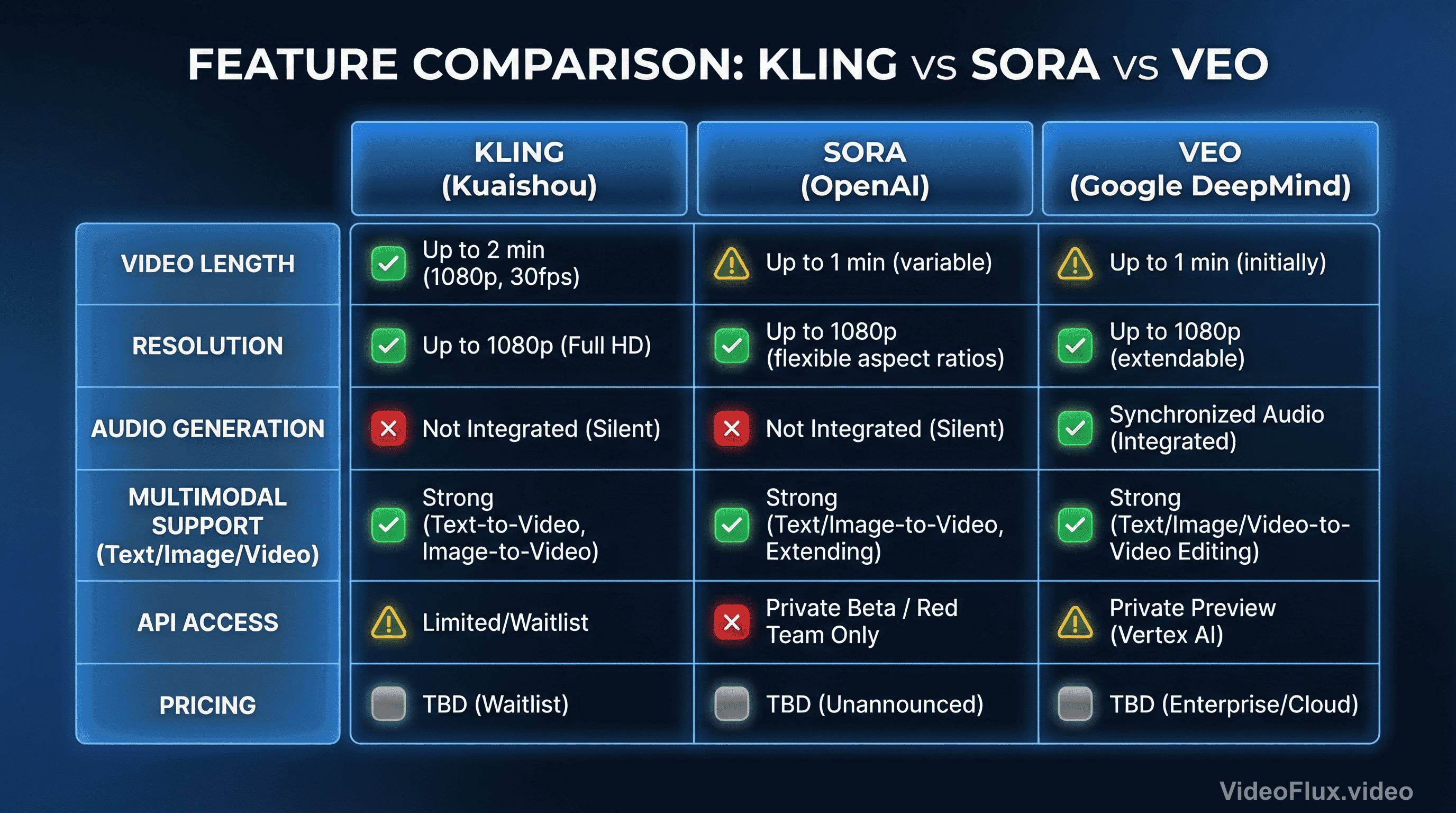 Figure 5: Capability comparison framework (illustrative image, not benchmark output)
Practical Deployment Recommendations
Analysis of use case alignment suggests:
Deploy Kling 3.0 when:
- Budget constraints require cost-efficient generation at scale
- Current Kling output quality and speed match project requirements
- Multi-shot storyboarding reduces post-production overhead
- Audio-video synchronization capabilities provide production value
Deploy Sora 2 when:
- Physics-accurate simulation represents critical requirements
- Longer native duration is a priority for your workflow
- Budget accommodates premium pricing for quality advantages
Deploy Veo 3.1 when:
- Character-driven narratives require optimal lip-sync quality
- Broadcast-ready aesthetics justify premium pricing
- Professional 24fps standards match delivery specifications
Many production teams employ multi-model strategies, using one model for fast prototyping and others for final renders depending on task requirements.
Pricing Structure: Subscriptions vs API
Kling pricing differs by direct subscription, credits, and third-party/API channels. Because package terms and regional rates can change, this post avoids fixed static pricing claims and recommends checking current official pricing pages before budgeting.
Production Use Cases: Where Kling Excels
Real-world deployment patterns reveal Kling's practical strengths across content categories.
Marketing & Advertising
Marketing teams commonly use Kling for short-form ad and social assets where iteration speed and cost control matter.
Social Media Content Creation
Creators frequently use image-to-video workflows for short-form channels where turnaround time matters.
Product Demonstrations
Product teams often use Kling for rapid product demo iterations and campaign variants.
Conceptual Prototyping & Storyboarding
Design and marketing teams use fast iteration loops for concept testing before final production.
Educational Content
Educational creators use short animated explainers to improve engagement and comprehension.
Industry-Specific Applications
- Real Estate: Creating property tour drafts from listing visuals
- Corporate Communications: Producing internal explainer and update videos
- Retail: Generating product showcases and seasonal campaign variants
The common thread: production scenarios requiring high-volume output, brand consistency, and cost efficiency over absolute visual perfection.
Strategic Factors Enabling Rapid Growth
Kling's trajectory from zero to market leadership in 20 months reflects strategic decisions beyond pure technical capability.
Aggressive Version Iteration
Kling's rapid release cadence in official updates indicates continuous capability expansion across 2024-2026.
Geographic Diversification
Simultaneous global market entry rather than staged regional rollout accelerated international user acquisition. Top rankings in diverse markets (South Korea, Russia, US, UK, Japan) suggest localized feature development or marketing addressing regional preferences.
Pricing Accessibility
Cost-per-video advantages over premium competitors lowered barriers to experimentation and workflow integration. Budget-conscious creators facing prohibitive costs with alternative platforms found viable production options with Kling's pricing structure.
Multi-Modal Evolution
The progression from pure generation (1.0) to unified multimodal capabilities (O1) demonstrates strategic foresight. As market maturity increases demand for comprehensive tooling beyond basic generation, Kling's architecture evolved to capture expanding workflow requirements.
API Ecosystem Development
Kuaishou has reported broad enterprise API adoption, which supports ecosystem growth. Third-party applications, plugins, and services built on Kling infrastructure expanded distribution channels beyond direct platform access.
Technical Limitations & Trade-offs
Objective analysis requires acknowledging areas where Kling trails competitors.
Physics Simulation Accuracy
Direct comparison with Sora 2 reveals observable differences in complex physics scenarios - particularly fluid dynamics, material properties, and multi-object interactions. Productions requiring physics-accurate simulation may require alternative models.
Duration Constraints
Shorter native durations can necessitate clip chaining for longer content, introducing potential discontinuities.
Character Realism in Dialogue
Kling supports dialogue-focused workflows, while some teams report stronger character realism from alternative models in dialogue-heavy scenarios.
Prompt Complexity Requirements
Optimal results with Kling benefit from structured prompting. Less technical users may find DALL-E 3's conversational interface or Midjourney's artistic interpretation more accessible for exploratory creative work.
Market Implications & Future Trajectory
Kling's success validates several emerging market dynamics:
Specialized Optimization Over General Excellence: Rather than competing on all dimensions simultaneously, Kling optimized for cost efficiency, multi-shot capabilities, and rapid iteration speed - addressing specific creator pain points competitors hadn't prioritized.
Geographic Distribution Matters: Chinese AI companies face geopolitical concerns in Western markets. Kling's ability to achieve top rankings across diverse regions demonstrates that technical capability and pricing can overcome market skepticism when execution aligns with creator needs.
Revenue Scale Timeline: The 10-month path to $100M ARR establishes benchmarks for AI generation tools. This timeline suggests substantial latent demand for video generation capabilities at accessible pricing.
Multi-Model Workflows Prevail: Professional creators increasingly employ specialized models for different production stages rather than committing to single platforms. Kling's positioning as the cost-efficient, high-volume option within multi-model workflows suggests sustainable market positioning even as competitors improve.
What This Means for Video Creators
The AI video generation market has matured beyond "which model is best?" toward "which model fits this specific task?" Kling's trajectory demonstrates that execution on clearly defined strengths creates viable market positions even against technically superior competitors in other dimensions.
For production teams, Kling represents:
High-volume content generation: When producing dozens or hundreds of assets weekly, Kling's cost structure and throughput enable workflows prohibitively expensive with premium alternatives.
Multi-shot storyboarding: Native multi-angle generation reduces post-production editing overhead for narrative-structured content.
Budget-constrained projects: When project economics require cost-per-asset optimization, Kling delivers professional-quality output at accessible pricing.
Rapid prototyping: Faster draft-generation modes can enable extensive iteration during creative development without consuming budget on final-quality renders.
Kling does not need to dominate every category to remain useful in production. The practical value comes from fit-to-task performance, pricing model, and workflow integration.
Sources:
- Kuaishou: Kling AI Launch Announcement
- Kuaishou: Kling First Anniversary Revenue Milestone
- Kuaishou: Kling 2.5 Turbo Launch
- Kuaishou: Kling 2.6 Simultaneous Audio-Visual Generation
- Kuaishou: Kling O1 Unified Multimodal Model
- Artificial Analysis: Text-to-Video Leaderboard
- Artificial Analysis: Image-to-Video Leaderboard
- Kling AI Official Site